


Carding Forum
Professional
- Messages
- 2,788
- Reaction score
- 1,322
- Points
- 113
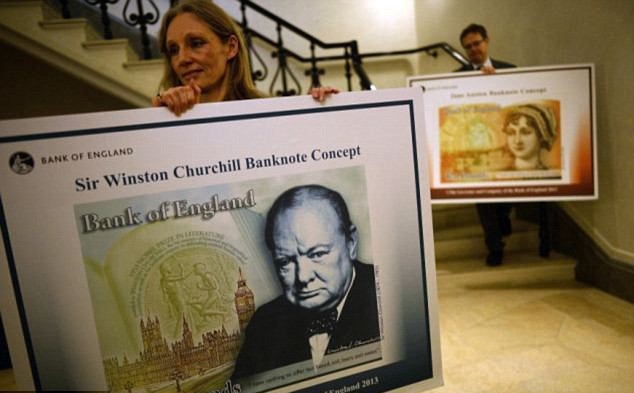
Despite the popularity of non-cash payment methods, no country in the world is yet ready to completely abandon paper money. Even in a technologically advanced country like the UK, cash is an integral part of the payments industry.
Therefore, the country's government intends to modernize cash as much as possible, making it more durable and safe.
There are plans to transfer three bills into plastic - £ 5, £ 10 and £ 20. The £ 5 banknotes will feature Winston Churchill and the £ 10 banknotes will feature Jane Eyre. For the 20-pound note, an image of a famous artist will be selected.
In a few years, only one denomination of banknotes will remain in the country, which will continue to be issued in paper version - £ 50.
In addition to the benefits, switching to polymer banknotes means high unplanned costs for businesses. It is estimated that the total cost of switching to polymer money will cost the country £ 230 million. Retailers will cover most of the costs.
Settlement and cash services
According to the estimates of the consulting company CMSpi, the transition to polymer money will require about £ 10 million in investments only in the field of settlement and cash services. Service providers will be forced to increase their cash processing prices to finance these costs.
Equipment
Automatic detectors for checking the authenticity of money, as well as equipment for fast counting of banknotes, greatly simplify cash transactions. The transition to polymer banknotes will force the owners of this equipment to install additional software that will allow them to recognize new money.
ATM machines
The cost of upgrading or replacing 70 thousand British ATMs could reach £ 40 million. Additional complications are caused by the fact that more than half of the ATMs are located outside the bank branches. This will incur additional upgrade costs.
It is also necessary to prepare for the transition period when paper and plastic money will be in circulation at the same time.
All retailers will be affected by these changes. The costs of introducing polymer money can outweigh the benefits. Experts point out that the costs will ultimately fall on the shoulders of ordinary consumers in the form of higher prices for goods.


