


Tomcat
Professional
- Messages
- 2,687
- Reaction score
- 1,036
- Points
- 113
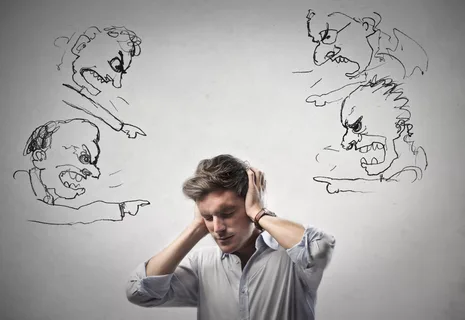
Habit # 1 - "Think of yourself last"
Society favors people who are not self-centered and are willing to put the needs of others ahead of their own. This type of self-sacrifice can be called wonderful, however, in its extreme manifestation, it often leads to dire consequences. The person begins to think that he or she is not so significant compared to others.
It can also lead to feelings of resentment. Kindness and generosity are truly wonderful traits, but again, in their extreme, they can undermine your self-esteem. If you are constantly inclined to think about the needs of others, forgetting about your own, then you should find a way to devote time and attention to yourself.
Habit # 2 - "Apologizing unnecessarily"
It is worth apologizing if your actions caused inconvenience to others or led to unintended consequences. However, if a person begins to apologize for those events over which he really had no control, then this can impose a heavy psychological tribute on him. Apologizing for others or for the state of affairs in the world in general is akin to taking personal responsibility for negative events in which the person himself played no role. This leads to feelings of guilt and destroys a person's self-esteem. If you find yourself inclined to apologize for something you did not participate in, then it is worth considering new ways to express your sympathy or empathy (empathy), while not taking responsibility for what happened.
Habit # 3 - "Ignoring shades"
People with low self-esteem often paint the world in black and white. There are very few shades, practically none. The action, in their opinion, can be either successful or unsuccessful. Someone is either doing something right or completely wrong.
However, in the world, rarely is anything perfect. People who tend to divide the world into precise categories find that they condemn almost every action they do, considering it inadequate, since it does not meet their standards of ideality.
Opening up to more opportunities and options leads to a more open mindset in which your self-esteem can begin to flourish. If you are convinced that the event can be categorized as "A" or "B", then take a little time to explore alternative possibilities, look at the situation from a different angle.
Habit # 4 - Constant Comparisons
People with low self-esteem often fall into the trap of constantly comparing themselves to others. The idea of measuring your own success with an external benchmark shouldn't seem like a problem, but it is. When the comparison process takes center stage, then any activity is reduced to simple measurements.
Rather than enjoying life on its own, people who are prone to constantly comparing themselves to others spend their time figuring out whether they are “good enough” or not. At times, this habit can severely limit the development of healthy self-esteem.
If in almost any situation you are worried about how you “fit into the big picture,” then you should consider other of gaining experience.
Habit # 5 - Sad Stories
People with low self-esteem often engage in detailed retelling of horror stories to other people. Instead of sharing positive news and information, they tell tales of discord, hardship, and problems.
This not only has a detrimental effect on the person's self-esteem (after all, he focuses on the negative side of events), but also makes it less likely that other people will look for opportunities to interact with a similar storyteller. And the decrease in the level of communication, as you can imagine, also contributes to the decrease in the level of self-esteem.
Negative habits that lead to low self-esteem come in various forms. Some are obvious, others are not. Finding these habits and confronting them face to face is essential to developing self-esteem.
If you have self-esteem issues, pay attention to how seemingly harmless behavior patterns can create a negative outlook on the world.
