


Brother
Professional
- Messages
- 2,590
- Reaction score
- 533
- Points
- 113

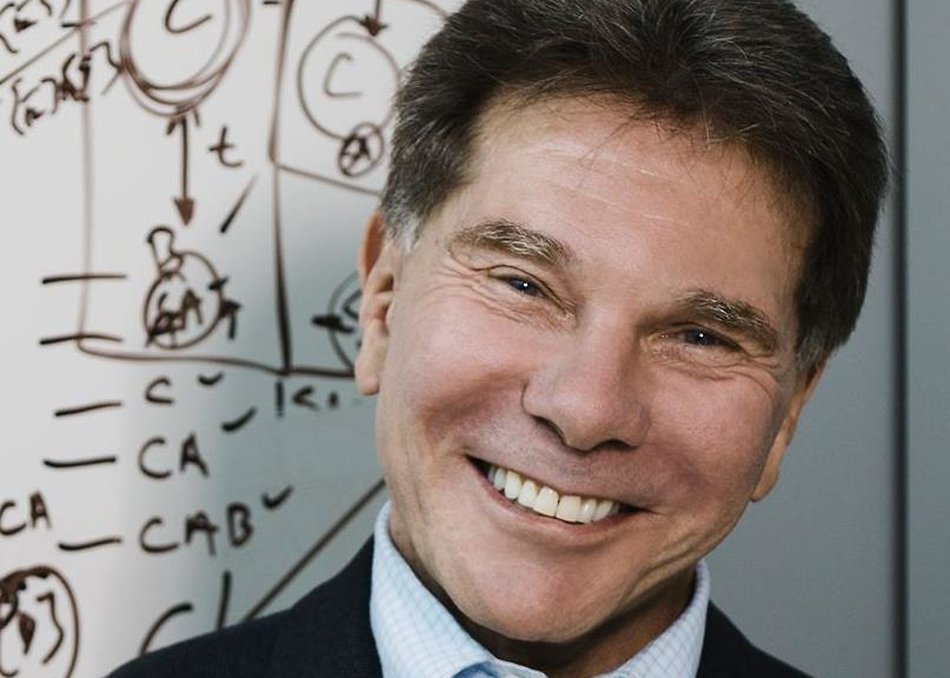
Psychologist Robert Cialdini reveals the psychology of influence and manipulation in 7 basic principles.
1. Rule of mutual exchange
Explanation: the manipulator offers you a "gift", and then offers to buy something, or perform a certain action. An automatic reaction forces you to agree to his offer, even if the amount of your expenses is clearly inadequate for his gift.
Example: Hare Krishnas on the street will not ask for donations directly - they first give a flower or a book (absolutely unnecessary for you), and then say that in return you can thank them by making a donation.
2. Agreement on assignment
Manipulation method: the manipulator puts forward an obviously overstated demand, and then “agrees to concessions,” while his goal is just the second demand. You feel the need to agree (based on the mutual exchange rule), because you have been given a favor and given up.
Example: in expensive boutiques, they first set inflated prices and then announce discounts.
3. Commitment and consistency
Explanation: You are prompted to do an act, the logical continuation of which will be the next act that is desirable for the manipulator.
Example: filling out a questionnaire “I would buy such and such a product at such and such a price”, a test drive of a car assumes its subsequent purchase, the issuance of “I vote for Ivanov” badges before the elections, etc.
4. The principle of social proof
Explanation: According to this principle, we consider the right behavior that other people often exhibit in a similar situation.
Example: phrases in advertising: “millions of people have already tried product X”, “hundreds of reviews on our site”, etc.
5. Grace
Explanation: We are more willing to accept the demands of those we know or like.
Example: the seller of something unnecessary says: "Your friend Ivanov advised me to contact you." Only the beautiful and famous are specially used in advertising.
6. Obedience to Authorities
Explanation: in the process of upbringing, a habit of obeying authorities is formed in a person, and this habit is very persistent, and completely unconscious.
Example: Dr. House advertising a drug or something related to medicine. Although the actor is not at all versed in medicine, many will mindlessly follow his authoritative advice.
7. The principle of scarcity
Explanation: something that is rare or inaccessible has value in our eyes, the more it is in short supply. People are also more likely to avoid losing what they already have than acquiring new ones.
Example: "the number of new iphone 5 is limited" - you can raise the price.


