


Tomcat
Professional
- Messages
- 2,687
- Reaction score
- 1,036
- Points
- 113
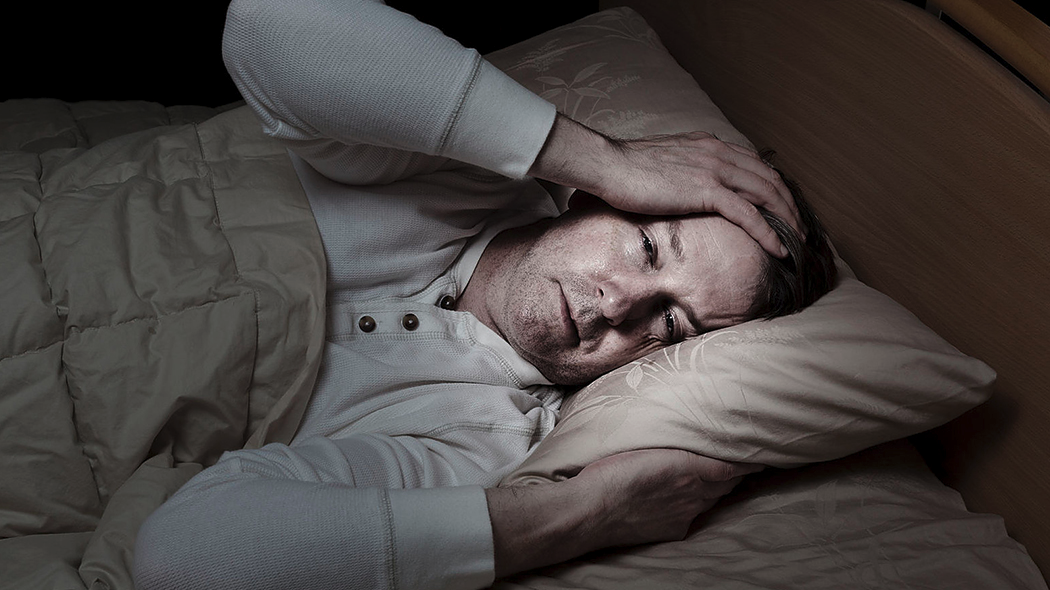
Quitting bad habits requires tremendous willpower. But when you do this, a huge test falls not only on willpower, your body also experiences severe stress. This problem is solved in the old fashioned way, by the principle of clenching your teeth and enduring it until you let go. This tactic might work, but you can just as likely run into withdrawal. We tell you how to get through it and - if possible - avoid it.
How does withdrawal syndrome manifest?
Withdrawal syndrome is a group of symptoms that occurs when a person abruptly refuses substances to which the body is accustomed. It can be alcohol, nicotine, drugs. When it comes to psychoactive substances, withdrawal syndrome is called withdrawal syndrome, or, in the common people, fragile.
Symptoms in this case are divided into two groups: physiological and psychological, according to the degree and intensity of their manifestation, we can talk about a possible risk to human health.
Mild withdrawal syndrome
- insomnia
- anxiety
- irritability
- nausea, moderate abdominal pain
Moderate withdrawal syndrome
- tachycardia
- sweating
- tremor
- high blood pressure
- severe nausea
- vomit
- diarrhea
Severe withdrawal syndrome
- all of the above
- fever
- hallucinations
What causes these symptoms?
At first glance and by sensations, it seems that the body simply begins to be capricious, like an indignant teenager, and threatens to turn on the self-destruction program if he is not immediately given a cup of coffee, a cigarette or an antidepressant pill (or maybe something more serious). But in fact, the moment you give up a substance or drug, many body systems experience tremendous stress and learn to work again. They have to independently produce substances that they are used to receiving from the outside.
Physically addictive substances have analogs that the human body can produce on its own: hormones and neurotransmitters.
So, nicotine is equivalent to acetylcholine (it is responsible for the contraction of muscle fibers), and euphoretics "ride" on the receptors of dopamine - responsible for the system of pleasure and reward, and endorphin - which, in addition to pleasure, also increases the pain threshold.Substances from the outside are called antagonists, they bind to receptors that hormones and neurotransmitters use to transmit signals, and thus "trick" the brain
Addiction and addiction arise at the moment when the brain evaluates and compares the energy consumption for the independent production of the necessary neurotransmitter and for receiving the antagonist from the outside. The body relies on constant replenishment of substances from the outside and, as a result, reduces its own production of mediators.
How to overcome and prevent withdrawal symptoms
In some cases, the withdrawal syndrome can be overcome by gradually reducing the dose of the substance. This strategy works with many prescription drugs, and nicotine patch makers have made a fortune on it. If you are planning an abrupt withdrawal of the drug, it should be agreed with the doctor you are seeing.
But if you do happen to experience withdrawal, here are a few things to help you overcome it.
Comfort zone
When the body goes through stress, there is no need to expose it to further irritation. You may need both a physical comfort zone (such as a bed to rest in) and an emotional one. The support of loved ones is more useful than ever. It can even be expressed in the fact that they will not drink coffee or smoke in front of you.
Proper nutrition, plenty of fluids and sleep patterns
This will help the body recover faster and begin to function normally. At the very least, you will be able to get over the tremors and nausea faster.
Abstraction
This will help you avoid intrusive thoughts or anxiety. Watch movies, read books, flip through social media until you hit rock bottom, or listen to podcasts.
If withdrawal is acute, you may need a doctor's consultation or medication support. Don't trust everything to willpower alone.


