


Carding 4 Carders
Professional
- Messages
- 2,724
- Reaction score
- 1,584
- Points
- 113
The US Army is developing formations where robots and humans will work hand in hand.
The US Army is actively engaged in creating integrated formations that include both humans and robotic systems. This new concept aims to enhance human-machine interaction on the battlefield.
The main focus is on the development of unmanned technologies and their integration into military operations, which can improve the effectiveness of combat operations and reduce risks for military personnel. With the help of robotics, it is planned to expand the capabilities of conducting intelligence, security and logistics.
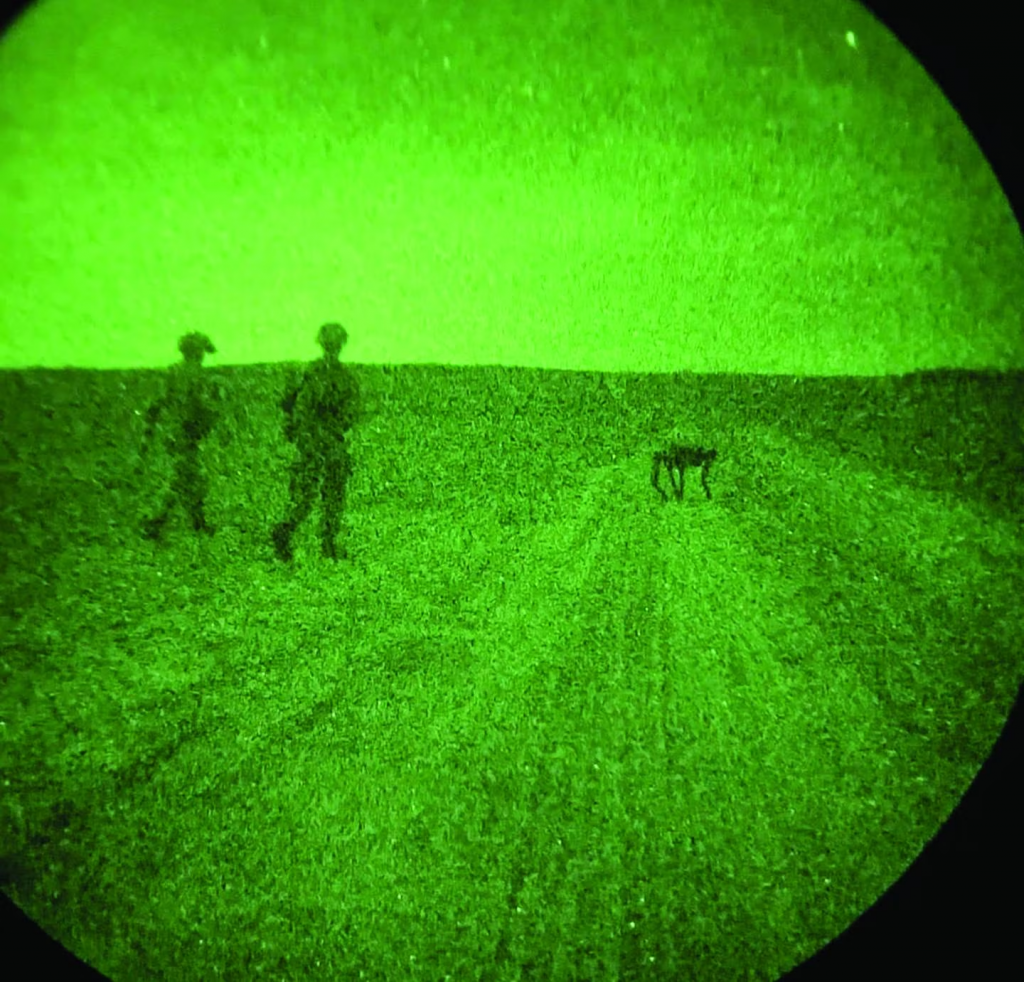
"We see the potential in creating joint groups of humans and robots that can interact and complement each other on the battlefield," says the commander of the troops, Lieutenant General Michael Berry. Experiments with integrated formations are already underway, and the first successful results allow us to hope for the rapid introduction of this technology in the armed forces.
The project was widely recognized in military circles and attracted the interest of world leaders in the field of defense. Experts note that the innovation allows you to conduct combat operations more efficiently and with fewer losses. This makes it a promising direction in modern military strategy.
Experts also emphasize that in the long term, developments in this area can radically change the principles of warfare, creating new opportunities for cooperation between man and machine. This opens up a new horizon for improving military equipment and methods of warfare, which in turn contributes to improving the country's defense capability.
Integrated formations not only open up new opportunities for military strategy, but also offer innovative solutions to improve the interaction between military personnel and robotic systems. Joint groups of humans and robots represent a new stage in the development of military equipment, which makes this area one of the priorities in modern military science.
The future is already on the threshold, and the world's armies are actively moving towards new technological horizons, creating the basis for more efficient and secure military operations in the XXI century.
The US Army is actively engaged in creating integrated formations that include both humans and robotic systems. This new concept aims to enhance human-machine interaction on the battlefield.
The main focus is on the development of unmanned technologies and their integration into military operations, which can improve the effectiveness of combat operations and reduce risks for military personnel. With the help of robotics, it is planned to expand the capabilities of conducting intelligence, security and logistics.
"We see the potential in creating joint groups of humans and robots that can interact and complement each other on the battlefield," says the commander of the troops, Lieutenant General Michael Berry. Experiments with integrated formations are already underway, and the first successful results allow us to hope for the rapid introduction of this technology in the armed forces.
The project was widely recognized in military circles and attracted the interest of world leaders in the field of defense. Experts note that the innovation allows you to conduct combat operations more efficiently and with fewer losses. This makes it a promising direction in modern military strategy.
Experts also emphasize that in the long term, developments in this area can radically change the principles of warfare, creating new opportunities for cooperation between man and machine. This opens up a new horizon for improving military equipment and methods of warfare, which in turn contributes to improving the country's defense capability.
Integrated formations not only open up new opportunities for military strategy, but also offer innovative solutions to improve the interaction between military personnel and robotic systems. Joint groups of humans and robots represent a new stage in the development of military equipment, which makes this area one of the priorities in modern military science.
The future is already on the threshold, and the world's armies are actively moving towards new technological horizons, creating the basis for more efficient and secure military operations in the XXI century.
