


Carding 4 Carders
Professional
- Messages
- 2,724
- Reaction score
- 1,598
- Points
- 113
A new era in air technology.
China has made a significant breakthrough in hypersonic technology by developing a new surface material for hypersonic vehicles that can retain its properties after a long flight. This technology was previously considered impossible.
In tests conducted by the Chinese army, a thin material was applied to the surface of a hypersonic waverider aircraft, which uses shock waves generated by its own flight to improve support. The air around the hypersonic plane was then heated to thousands of degrees Celsius. The smooth, non-ablative surface not only kept critical components inside the aircraft cool, but also allowed wireless signals to flow freely in and out, making target identification and communication possible throughout the flight.
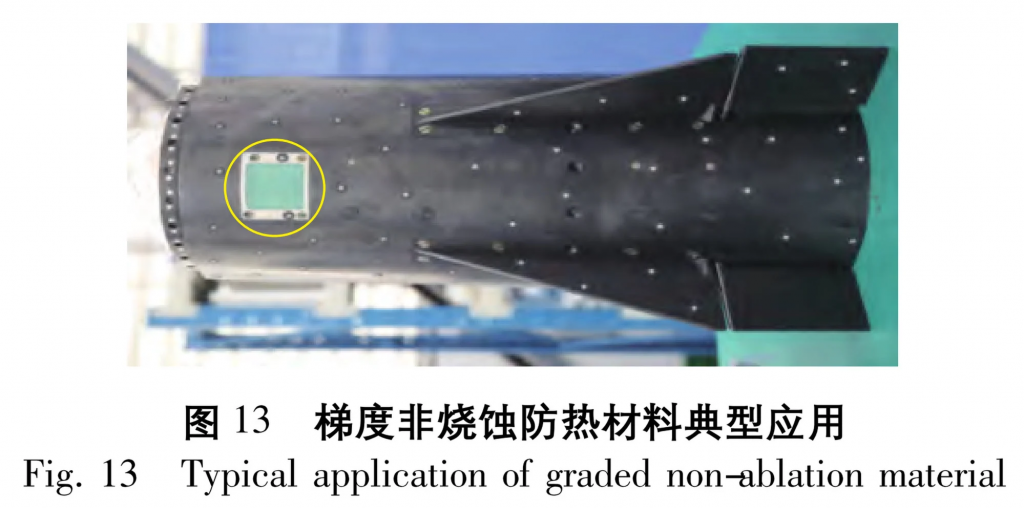
A component of the hypersonic Waverider spacecraft that uses a new thermal protection technology. A yellow circle marks the antenna area. Photo: Key Laboratory of Aerodynamic Thermal Protection of Aerospace Vehicles of the Chinese Academy of Aerospace Aerodynamics
"The test flight was a complete success," says the article published in the peer-reviewed journal Physics of Gases.
Such new thermal protection technologies can help develop a new generation of reusable hypersonic vehicles with "greater range and greater speed," said the team led by Ai Bancheng, deputy director of the Chinese Academy of Aerospace Aerodynamics in Beijing.
China has already passed the stage where the United States is. Many hypersonic missiles are already used by the Chinese army, some of which are designed to hit a moving target, such as an aircraft carrier, with unpredictable maneuvers over a long distance.
The second phase of the hypersonic race goes beyond missiles and focuses on developing long-range reusable platforms that will have both military and civilian applications, Chinese scientists said.
China has made a significant breakthrough in hypersonic technology by developing a new surface material for hypersonic vehicles that can retain its properties after a long flight. This technology was previously considered impossible.
In tests conducted by the Chinese army, a thin material was applied to the surface of a hypersonic waverider aircraft, which uses shock waves generated by its own flight to improve support. The air around the hypersonic plane was then heated to thousands of degrees Celsius. The smooth, non-ablative surface not only kept critical components inside the aircraft cool, but also allowed wireless signals to flow freely in and out, making target identification and communication possible throughout the flight.
A component of the hypersonic Waverider spacecraft that uses a new thermal protection technology. A yellow circle marks the antenna area. Photo: Key Laboratory of Aerodynamic Thermal Protection of Aerospace Vehicles of the Chinese Academy of Aerospace Aerodynamics
"The test flight was a complete success," says the article published in the peer-reviewed journal Physics of Gases.
Such new thermal protection technologies can help develop a new generation of reusable hypersonic vehicles with "greater range and greater speed," said the team led by Ai Bancheng, deputy director of the Chinese Academy of Aerospace Aerodynamics in Beijing.
China has already passed the stage where the United States is. Many hypersonic missiles are already used by the Chinese army, some of which are designed to hit a moving target, such as an aircraft carrier, with unpredictable maneuvers over a long distance.
The second phase of the hypersonic race goes beyond missiles and focuses on developing long-range reusable platforms that will have both military and civilian applications, Chinese scientists said.

