

CarderPlanet
Professional
- Messages
- 2,549
- Reaction score
- 732
- Points
- 113
A pizza order helped solve a crime in Los Angeles.
The topic of using robots for food delivery is becoming increasingly relevant in the high-tech world. However, the recent incident in Los Angeles made us think about the possible negative consequences of this kind of innovation. Delivery service Uber Eats started using robots to deliver food in certain areas of Los Angeles about a year ago. Since then, there have been concerns that robots could be used by the police as a means of surveillance.
According to 404 Media, the company Serve Robotics, which provides its robots for the delivery service Uber Eats, recently transferred the video to the city's police department as part of a criminal investigation. During the incident, someone tried to steal the Serve robot directly from the street. Therefore, the police requested video recordings from the company, which were used to identify two suspects in the attempted theft.
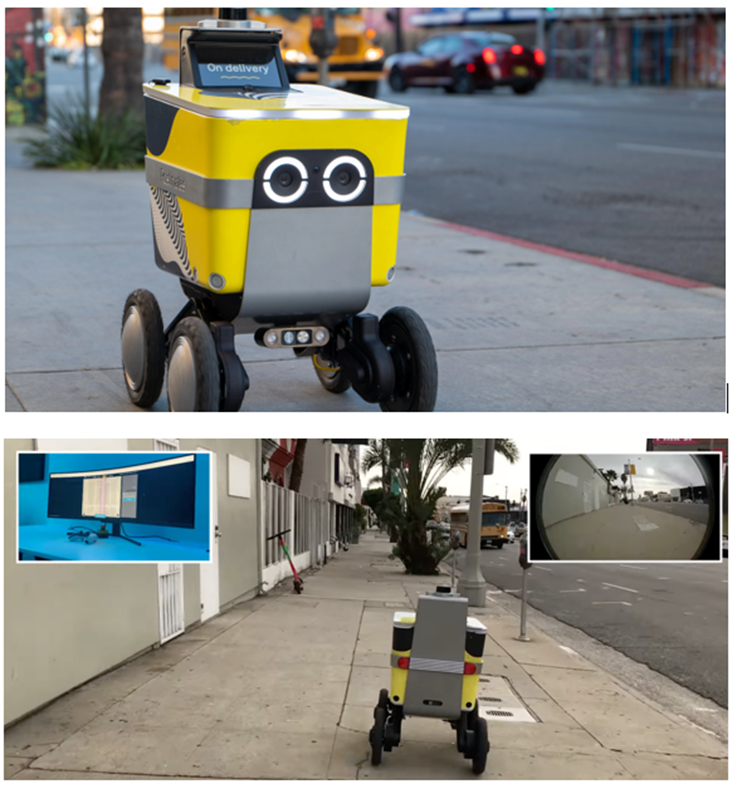
The incident seems fairly innocuous, but it raises questions about how delivery robots can be used in crime investigations. Companies that actively use surveillance technology, such as Tesla and Amazon Ring, have already become an important element of police investigations across America.
404 Media claims that autonomous vehicles like Serve Robotics ' robots can easily become moving surveillance devices. Experts note that Serve robots constantly record what is happening around them, and it is unclear how long the company keeps video recordings.
The Serve Robotics incident is just the tip of the iceberg in the broader context of the problem. With the advent of autonomous technologies, law enforcement agencies are getting new tools to perform their tasks more efficiently and cost-effectively. While it is not clear whether food delivery robots will become one of these tools, the development of AI will undoubtedly lead to increased opportunities for observation and data collection.
The topic of using robots for food delivery is becoming increasingly relevant in the high-tech world. However, the recent incident in Los Angeles made us think about the possible negative consequences of this kind of innovation. Delivery service Uber Eats started using robots to deliver food in certain areas of Los Angeles about a year ago. Since then, there have been concerns that robots could be used by the police as a means of surveillance.
According to 404 Media, the company Serve Robotics, which provides its robots for the delivery service Uber Eats, recently transferred the video to the city's police department as part of a criminal investigation. During the incident, someone tried to steal the Serve robot directly from the street. Therefore, the police requested video recordings from the company, which were used to identify two suspects in the attempted theft.
The incident seems fairly innocuous, but it raises questions about how delivery robots can be used in crime investigations. Companies that actively use surveillance technology, such as Tesla and Amazon Ring, have already become an important element of police investigations across America.
404 Media claims that autonomous vehicles like Serve Robotics ' robots can easily become moving surveillance devices. Experts note that Serve robots constantly record what is happening around them, and it is unclear how long the company keeps video recordings.
The Serve Robotics incident is just the tip of the iceberg in the broader context of the problem. With the advent of autonomous technologies, law enforcement agencies are getting new tools to perform their tasks more efficiently and cost-effectively. While it is not clear whether food delivery robots will become one of these tools, the development of AI will undoubtedly lead to increased opportunities for observation and data collection.

