


Man
Professional
- Messages
- 3,222
- Reaction score
- 1,236
- Points
- 113
Hello friends!
In the era of rapid development of technology and information security, hackers are constantly looking for new and more effective ways to achieve their goals. Recently, artificial intelligence (AI) has become a significant player in this criminal landscape. In particular, the ChatGPT model developed by OpenAI has proven to be a valuable tool for hackers, allowing them to automate and enhance their attacks.
ChatGPT is an example of advanced AI that is able to generate human-like texts and learn from a huge amount of data. It provides the ability to simulate human conversation and manipulate information, making it an ideal tool for hackers. In this article, we will explore how hackers use ChatGPT for their purposes and how it affects the security of information systems.
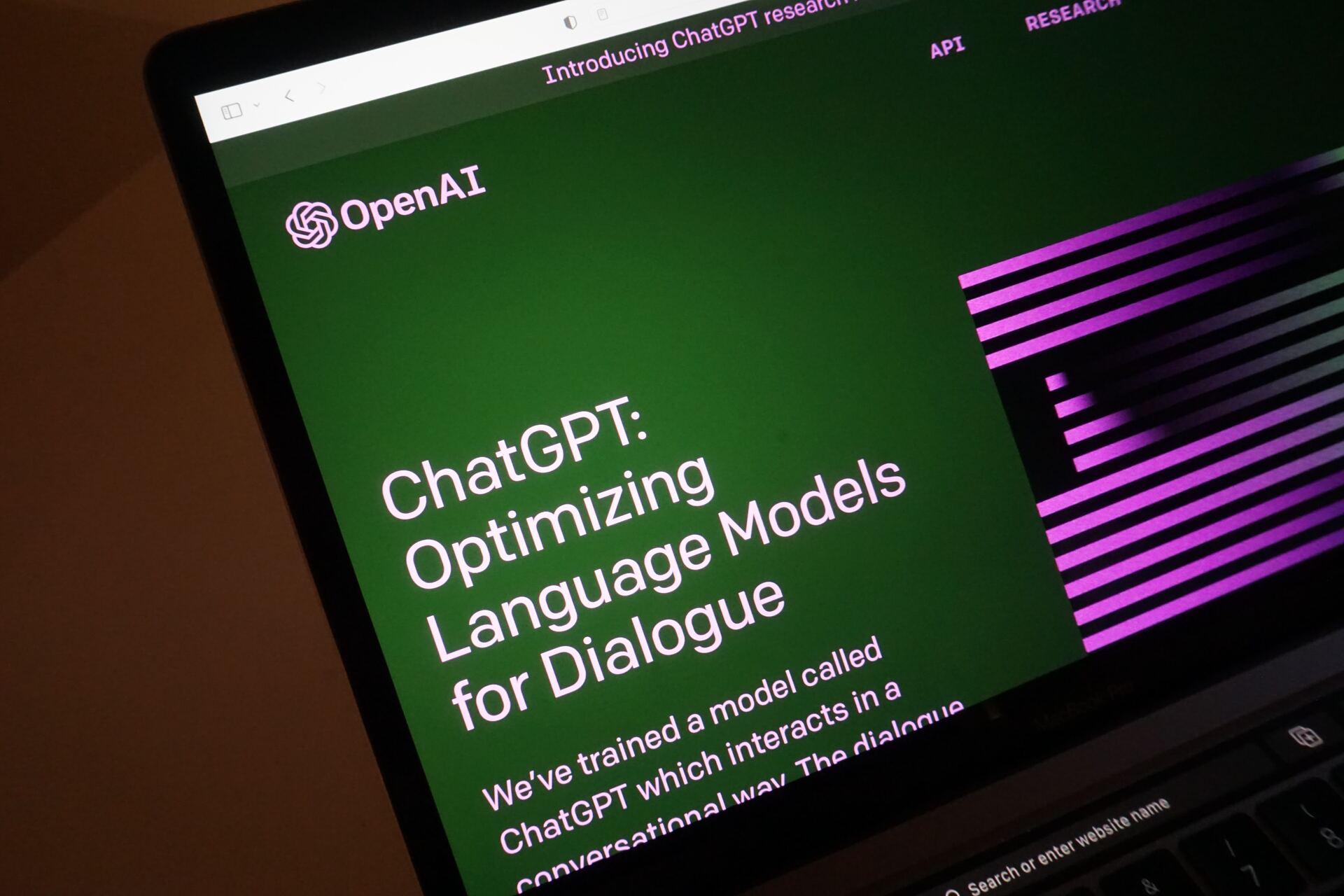
Since the launch of the ChatGPT chatbot, people have used it to write essays, scripts, code, and also talk about finances and learn new things. This time, the chatbot has been used to write malicious code.
Cybersecurity experts at Check Point Research reported that after the launch of ChatGPT, participants in cybercrime forums used the chatbot to write malware and phishing emails. It is noted that some users do not even have programming experience.
The company added that it is too early to say whether ChatGPT will become a favorite tool for the darknet. However, one can already see the interest of cybercriminals in the capabilities of the chatbot.
The neural network itself prohibits such actions, but hackers were able to bypass it.
Using ChatGPT for malicious purposes
ChatGPT, as an AI language model, can be used by cybercriminals for malicious purposes in various ways:
Using ChatGPT to Improve Your Cybersecurity Level
Overall, ChatGPT can provide you with valuable information and recommendations that will help you improve your cybersecurity and keep your data safe.
Here are some examples of the same:
Example 1: Cybersecurity RFP

Example 2:

Example 3: Providing advice on best practices

Example 4: Offering tools and resources

 Thank you for reading the article.
In the era of rapid development of technology and information security, hackers are constantly looking for new and more effective ways to achieve their goals. Recently, artificial intelligence (AI) has become a significant player in this criminal landscape. In particular, the ChatGPT model developed by OpenAI has proven to be a valuable tool for hackers, allowing them to automate and enhance their attacks.
ChatGPT is an example of advanced AI that is able to generate human-like texts and learn from a huge amount of data. It provides the ability to simulate human conversation and manipulate information, making it an ideal tool for hackers. In this article, we will explore how hackers use ChatGPT for their purposes and how it affects the security of information systems.
Cybercriminals are always at the forefront of hype.
Since the launch of the ChatGPT chatbot, people have used it to write essays, scripts, code, and also talk about finances and learn new things. This time, the chatbot has been used to write malicious code.
Cybersecurity experts at Check Point Research reported that after the launch of ChatGPT, participants in cybercrime forums used the chatbot to write malware and phishing emails. It is noted that some users do not even have programming experience.
The company added that it is too early to say whether ChatGPT will become a favorite tool for the darknet. However, one can already see the interest of cybercriminals in the capabilities of the chatbot.
The neural network itself prohibits such actions, but hackers were able to bypass it.
Using ChatGPT for malicious purposes
ChatGPT, as an AI language model, can be used by cybercriminals for malicious purposes in various ways:
- Malware Development: Cyberattackers can use ChatGPT to create malicious code for malware that is difficult for traditional antivirus programs to detect. They can use this model to write code that bypasses security measures and installs malware on victims’ devices.
- Password Cracking: Cyberattackers can use ChatGPT to crack passwords or security questions by generating a large number of possible combinations based on the victim's known personal information.
- Phishing Attacks: Cyberattackers can use ChatGPT to create convincing phishing emails or messages that appear to come from legitimate sources. An attacker can use ChatGPT to mimic the writing style and tone of the person they are impersonating, making it difficult for the victim to detect the scam.
- Social Engineering: ChatGPT can be used to create fake social media profiles or chatbots that can trick people into sharing sensitive information or performing actions that could compromise their security.
In addition to creating viruses and all that, neural networks can be used in white hacking.
Using ChatGPT to Improve Your Cybersecurity Level
Overall, ChatGPT can provide you with valuable information and recommendations that will help you improve your cybersecurity and keep your data safe.
Here are some examples of the same:
Example 1: Cybersecurity RFP
Example 2:
Example 3: Providing advice on best practices
Example 4: Offering tools and resources
Thank you for reading the article.