


Carding Forum
Professional
- Messages
- 2,788
- Reaction score
- 1,322
- Points
- 113
How to choose a partner to accept payments online?
How to set up accepting payments online.
If you want to connect online payments to your online store, but do not yet know which platform to choose, this article will help you figure it out. PaySpace Magazine has compared two main types of payment solutions - IPSP (Internet Payment Service Provider) and PSP (payment service provider). The main difference between the two is the payment management model. So, if IPSP aggregates financial flows on its accounts, then PSP is only a technical intermediary between the bank and the buyer. What service is suitable for different types of business and what should be guided in choosing a payment partner - read on.
Accepting payments online: terminology
IPSP is an internet payment service provider that represents merchants before a bank and holds a financial license. It is essentially an aggregator, registering its own bank account, and then renting it out to online merchants. All payments that customers make online are processed through this account before being credited to the accounts of the business.
Who benefits from this solution:
PSP does not aggregate the money of all sellers in its account, but instead invites everyone to create their own merchant account. Some PSPs offer customers assistance in registering merchant accounts. Others only work with those who already have accounts. In any case, this type of intermediation gives the merchant more control over their business and additional functions such as recurring payments.
In addition, the presence of a trading account allows the seller to more quickly change the intermediary in the event of a more competitive offer.
Integration process
Connecting payments to the site.
The main "problem" with IPSP is that you will have to adjust to the integration features, for example, which programming language to choose.
On the contrary, PSP provides unlimited possibilities. You will not only be able to independently manage the setup process and use a convenient programming language, but also get access to professional options.
Technical capabilities
By connecting payments via PSP, you get access to test servers and, therefore, the ability to track the work of new functionality without threatening the main capacities.
IPSPs do not provide this kind of solution, so every time you want to make changes, you need to push all the data into a test environment. This means that payment processing on the website will be suspended.
Another difference is the reporting system. PSP provides information about transactions in real time, because the payment goes directly to the bank, without lingering on the side of the intermediary. It's different with IPSP. These providers combine many trading accounts, so it takes some time to generate the report. In most cases, you can see the updated analytics about 30 minutes after the transaction.
Payment process from the customer's point of view
The payment aggregator forces the merchant to redirect the customer from the site where they made the purchase to the payment page. Despite the fact that today most Internet payment providers allow you to brand the form of payment for the style of the store, the very fact of switching to another site can create inconvenience for the client or cause distrust.
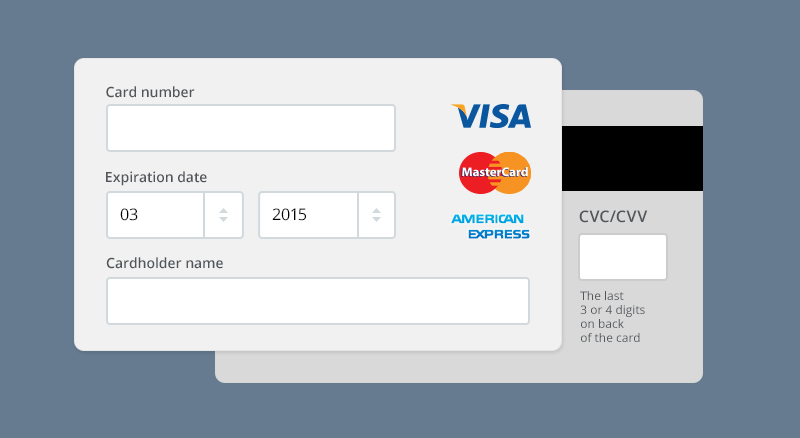
The client will be redirected to the payment form
In addition, such a payment format may require entering additional data about yourself.
Change of payment provider
If you ever want to change your payment partner, in case you have previously used PSP, this will be much easier. You will have a history of transactions, which will allow you to negotiate the best terms of cooperation. And the very procedure of changing the supplier will not force you to stop processing payments.
IPSP is a barrier between an online store and a bank. In this model, merchants have an agreement with the aggregator, but not with the bank through which payments are processed. First, the bank pays the funds to the intermediary, who in turn sends them to the account of the online store.
And when you have your own merchant account, you receive payments directly from the acquiring bank. Therefore, delays in the receipt of funds into the account are more likely in the case of IPSP than in the case of PSP.
Risk management and security
Since the aggregator collects client funds in its account before transferring it to the bank, there is a risk that in the event of technical failures or imposed sanctions, they will be frozen.
Payment companies that do not take on financial flows by sending them directly to the bank are not associated with such risks. Moreover, many PSPs have agreements with several banks. This allows you to redirect payment flows in case of problems on the side of one of the banks.
Conclusions
IPSP is a more useful solution for merchants who are not ready to pay attention to creating a merchant account. And for the sake of a convenient and fast registration process, we are ready to partially sacrifice flexible functionality, security of funds and convenience of customers.
Entrepreneurs looking to increase their income, expand into other markets, and want to start a good history of processing layouts should consider partnering with PSP.
Therefore, before starting cooperation with a mediator, clarify on what model he works.
How to set up accepting payments online.
If you want to connect online payments to your online store, but do not yet know which platform to choose, this article will help you figure it out. PaySpace Magazine has compared two main types of payment solutions - IPSP (Internet Payment Service Provider) and PSP (payment service provider). The main difference between the two is the payment management model. So, if IPSP aggregates financial flows on its accounts, then PSP is only a technical intermediary between the bank and the buyer. What service is suitable for different types of business and what should be guided in choosing a payment partner - read on.
Accepting payments online: terminology
IPSP is an internet payment service provider that represents merchants before a bank and holds a financial license. It is essentially an aggregator, registering its own bank account, and then renting it out to online merchants. All payments that customers make online are processed through this account before being credited to the accounts of the business.
Who benefits from this solution:
- merchants with low turnover who cannot open a bank account on their own
- merchants who do not want to waste time on paperwork and opening a merchant account
- merchants who work in high-risk areas (gambling, various subscriptions). The chances that the bank will want to cooperate with them directly are minimal.
PSP does not aggregate the money of all sellers in its account, but instead invites everyone to create their own merchant account. Some PSPs offer customers assistance in registering merchant accounts. Others only work with those who already have accounts. In any case, this type of intermediation gives the merchant more control over their business and additional functions such as recurring payments.
In addition, the presence of a trading account allows the seller to more quickly change the intermediary in the event of a more competitive offer.
Integration process
Connecting payments to the site.
The main "problem" with IPSP is that you will have to adjust to the integration features, for example, which programming language to choose.
On the contrary, PSP provides unlimited possibilities. You will not only be able to independently manage the setup process and use a convenient programming language, but also get access to professional options.
Technical capabilities
By connecting payments via PSP, you get access to test servers and, therefore, the ability to track the work of new functionality without threatening the main capacities.
IPSPs do not provide this kind of solution, so every time you want to make changes, you need to push all the data into a test environment. This means that payment processing on the website will be suspended.
Another difference is the reporting system. PSP provides information about transactions in real time, because the payment goes directly to the bank, without lingering on the side of the intermediary. It's different with IPSP. These providers combine many trading accounts, so it takes some time to generate the report. In most cases, you can see the updated analytics about 30 minutes after the transaction.
Payment process from the customer's point of view
The payment aggregator forces the merchant to redirect the customer from the site where they made the purchase to the payment page. Despite the fact that today most Internet payment providers allow you to brand the form of payment for the style of the store, the very fact of switching to another site can create inconvenience for the client or cause distrust.
The client will be redirected to the payment form
In addition, such a payment format may require entering additional data about yourself.
Change of payment provider
If you ever want to change your payment partner, in case you have previously used PSP, this will be much easier. You will have a history of transactions, which will allow you to negotiate the best terms of cooperation. And the very procedure of changing the supplier will not force you to stop processing payments.
IPSP is a barrier between an online store and a bank. In this model, merchants have an agreement with the aggregator, but not with the bank through which payments are processed. First, the bank pays the funds to the intermediary, who in turn sends them to the account of the online store.
And when you have your own merchant account, you receive payments directly from the acquiring bank. Therefore, delays in the receipt of funds into the account are more likely in the case of IPSP than in the case of PSP.
Risk management and security
Since the aggregator collects client funds in its account before transferring it to the bank, there is a risk that in the event of technical failures or imposed sanctions, they will be frozen.
Payment companies that do not take on financial flows by sending them directly to the bank are not associated with such risks. Moreover, many PSPs have agreements with several banks. This allows you to redirect payment flows in case of problems on the side of one of the banks.
Conclusions
IPSP is a more useful solution for merchants who are not ready to pay attention to creating a merchant account. And for the sake of a convenient and fast registration process, we are ready to partially sacrifice flexible functionality, security of funds and convenience of customers.
Entrepreneurs looking to increase their income, expand into other markets, and want to start a good history of processing layouts should consider partnering with PSP.
Therefore, before starting cooperation with a mediator, clarify on what model he works.

