


Tomcat
Professional
- Messages
- 2,687
- Reaction score
- 1,027
- Points
- 113
Plastic card - this general name means a plastic plate of standard sizes 54x86x0.76 mm, made of special, resistant to mechanical and thermal influences, plastic.
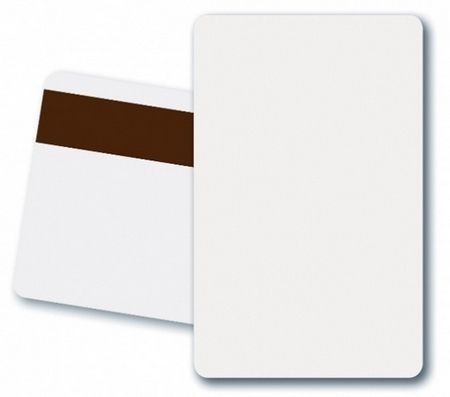
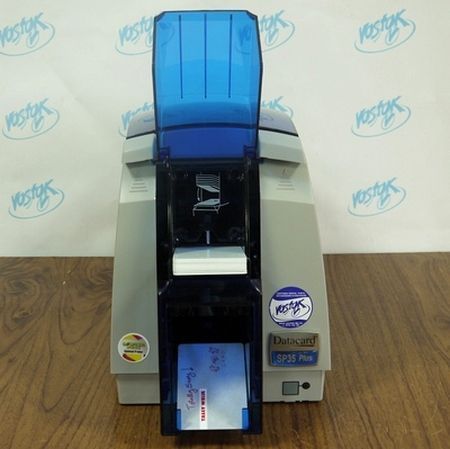
Plastic cards differ in type, production technology, purpose, functional and technical characteristics. Printers for printing on plastic cards are used for information application and lamination.
Nowadays, plastic cards are very widespread and are used in many areas. Most often, these are analogs of means of payment. In addition, cards are used to identify their owner, can serve as a discount, or be a method of forming consumer loyalty. The card type can be mini-cards, gift certificates, or contactless cards.
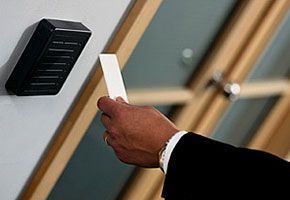
A plastic card can combine several functional purposes, for example, a pass is used to visually identify an employee, serves as an access card (opening doors), and is also a means of payment in a canteen of an enterprise.
Most plastic cards are formatted (ISO 7810 ID-1)
Plastic card technologies
Plastic cards differ in type, production technology, purpose, functional and technical characteristics. Printers for printing on plastic cards are used for information application and lamination.
Nowadays, plastic cards are very widespread and are used in many areas. Most often, these are analogs of means of payment. In addition, cards are used to identify their owner, can serve as a discount, or be a method of forming consumer loyalty. The card type can be mini-cards, gift certificates, or contactless cards.
A plastic card can combine several functional purposes, for example, a pass is used to visually identify an employee, serves as an access card (opening doors), and is also a means of payment in a canteen of an enterprise.
Most plastic cards are formatted (ISO 7810 ID-1)
- Width - 85.6 mm ± 0.13 mm.
- Height - 53.98 m ± 0.06 mm.
- Thickness - 0.76 mm ± 0.08 mm
- Rounding radius - 3.18 mm ± 0.3 mm.
Plastic card technologies
- A plastic card with a magnetic stripe.
- Chip card.
- Smart card.
- Contactless cards.
- Contact cards.
- Combined magnetic chip cards.
- Barcode - the application of information encoded in the form of a barcode on the map.
- Embossing - drawing on the surface of a plastic card alphanumeric information in the form of embossed signs, followed by typing (coloring).
- Magnetic stripe - drawing on a card of a magnetic information carrier with the subsequent recording of information on it.
- A signature panel is a special layer applied to the surface of the card that allows you to make inscriptions.
- Scratch - an opaque protective layer that is applied to the card to protect information: pin code, winning word, deposit code, etc.
- A contactless chip is a microprocessor-based data carrier that is built into the card and does not have external physical contacts.
- Contact chip.

